jutha guesthouse
Nakorn rachasima, THAILAND
2021
Overview
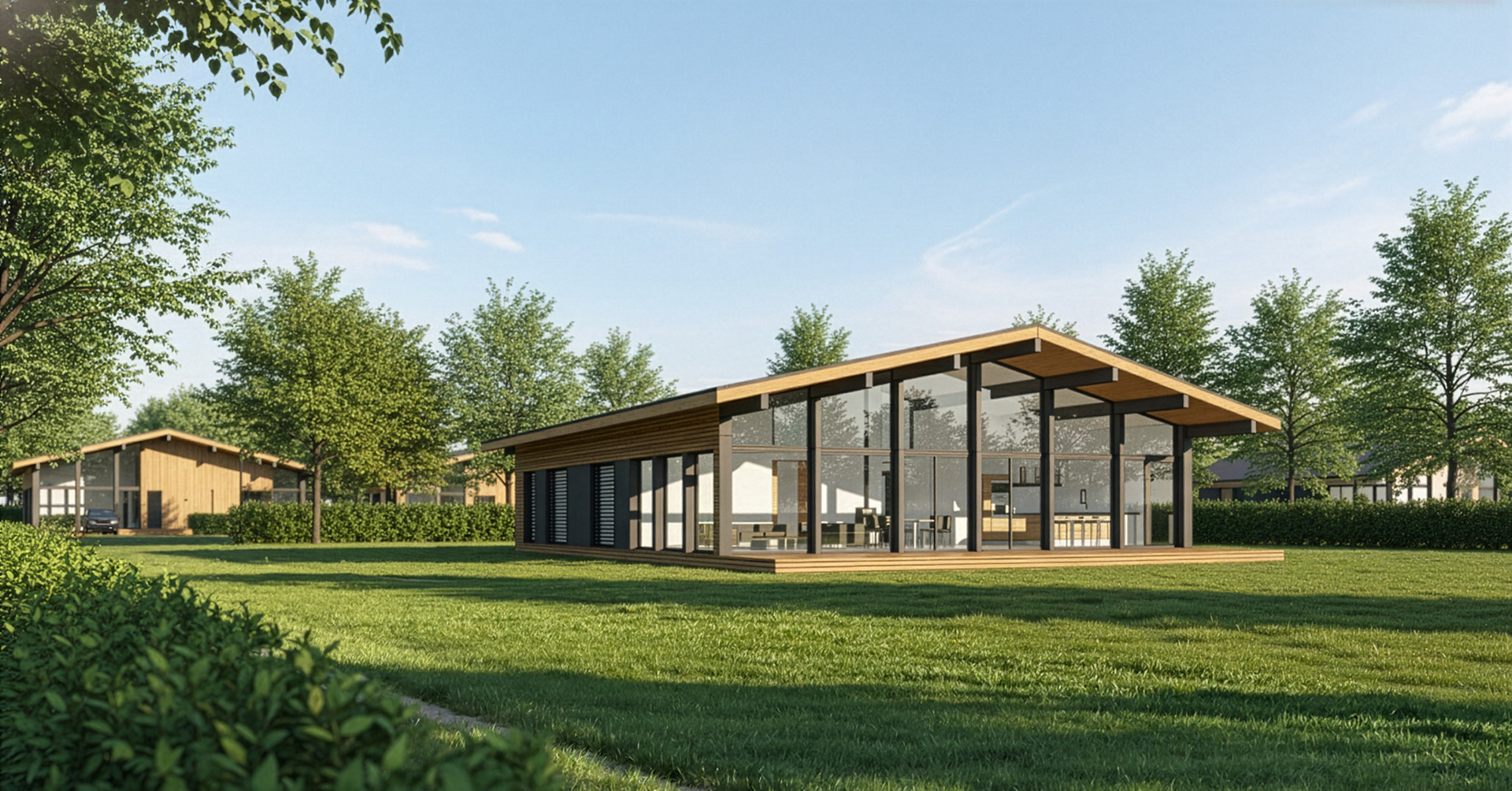
Jutha Guesthouse is a low-density hospitality project that explores the relationship between architecture and the rural landscape through a research-led design approach. The project is conceived as a cluster of pavilion-like structures, allowing built form to integrate seamlessly with the surrounding open field.
Jutha Guesthouse is a low-density hospitality project that explores the relationship between architecture and the rural landscape through a research-led design approach. The project is conceived as a cluster of pavilion-like structures, allowing built form to integrate seamlessly with the surrounding open field.
Design Strategy
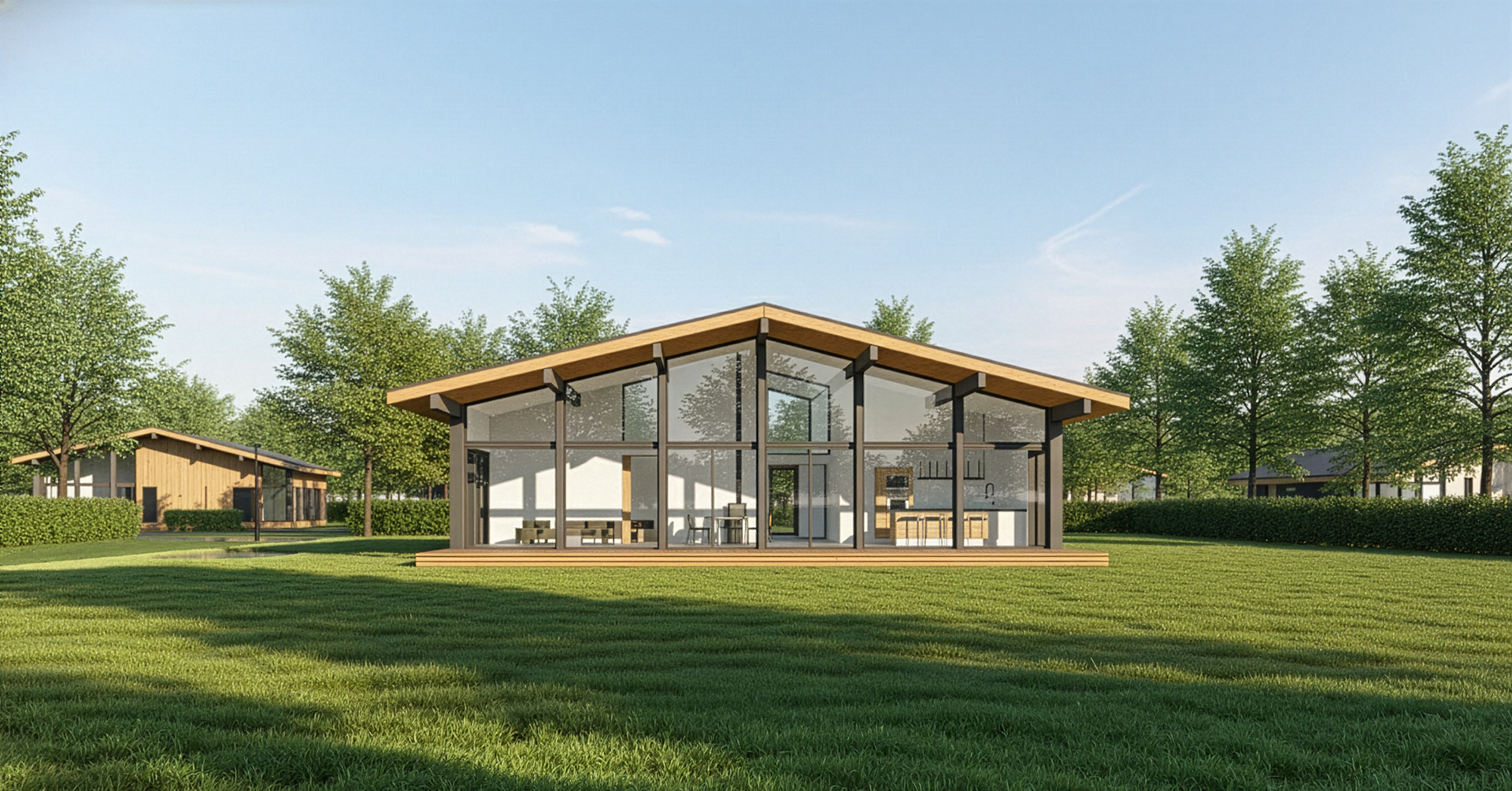
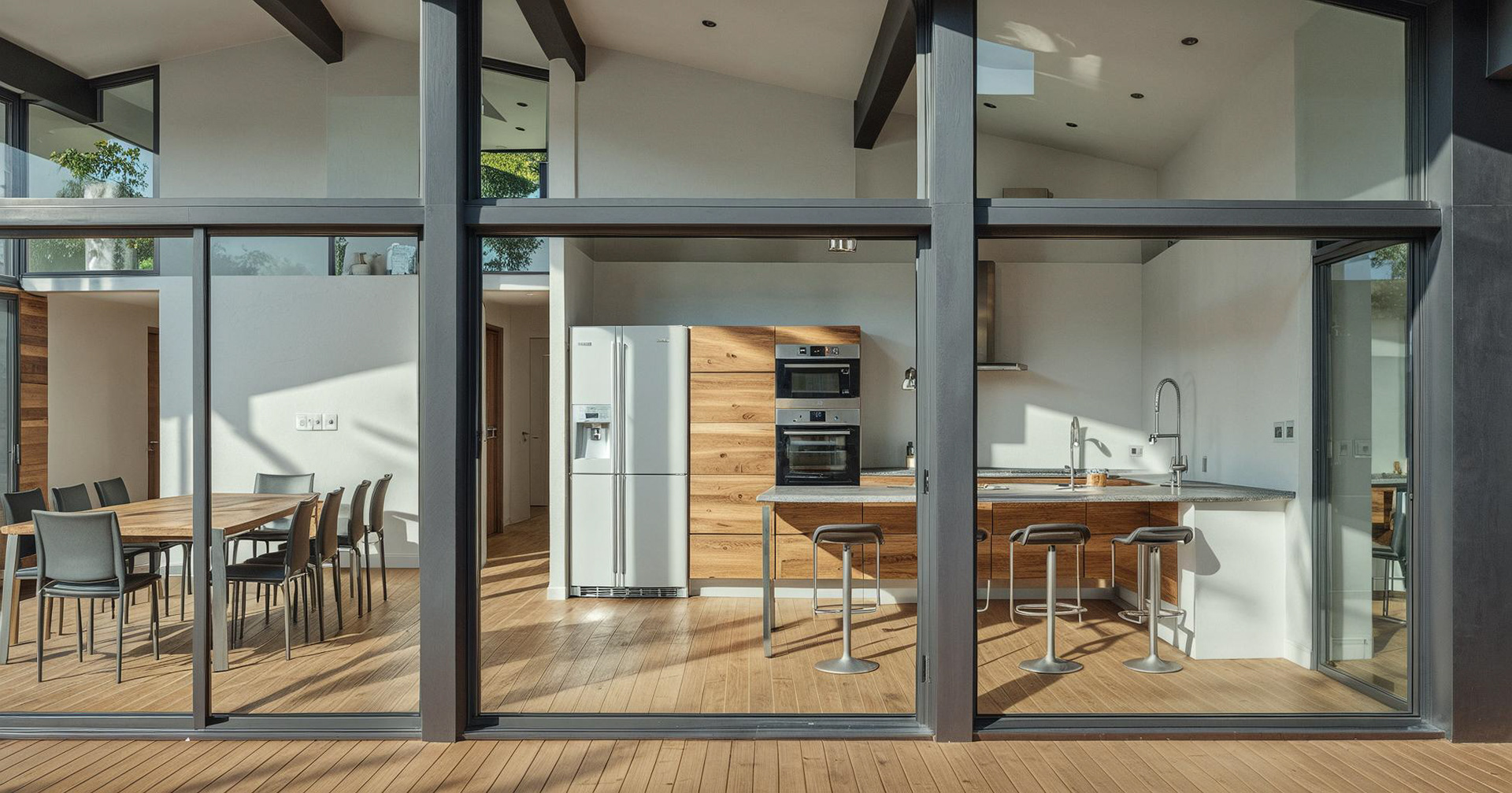
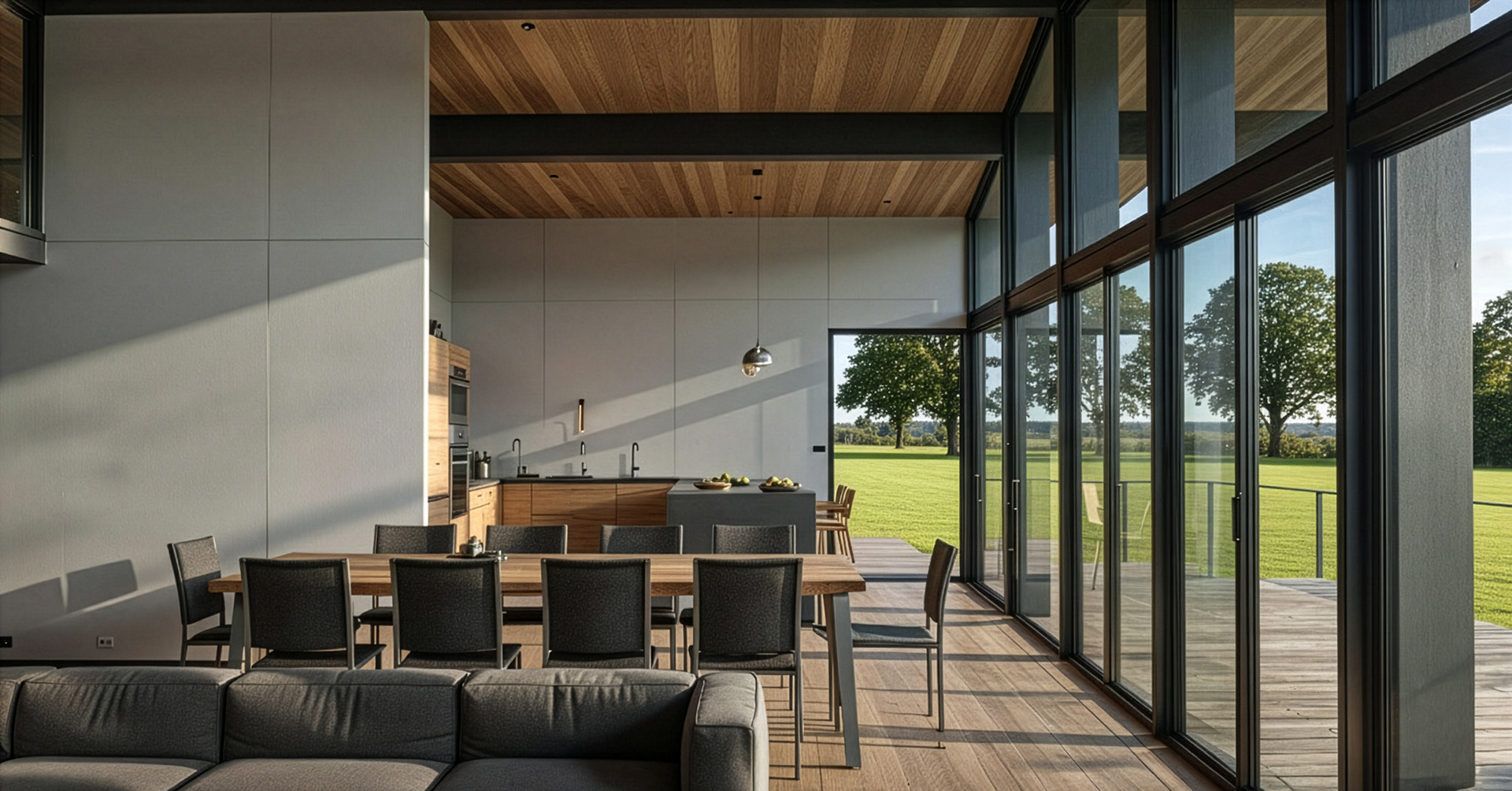
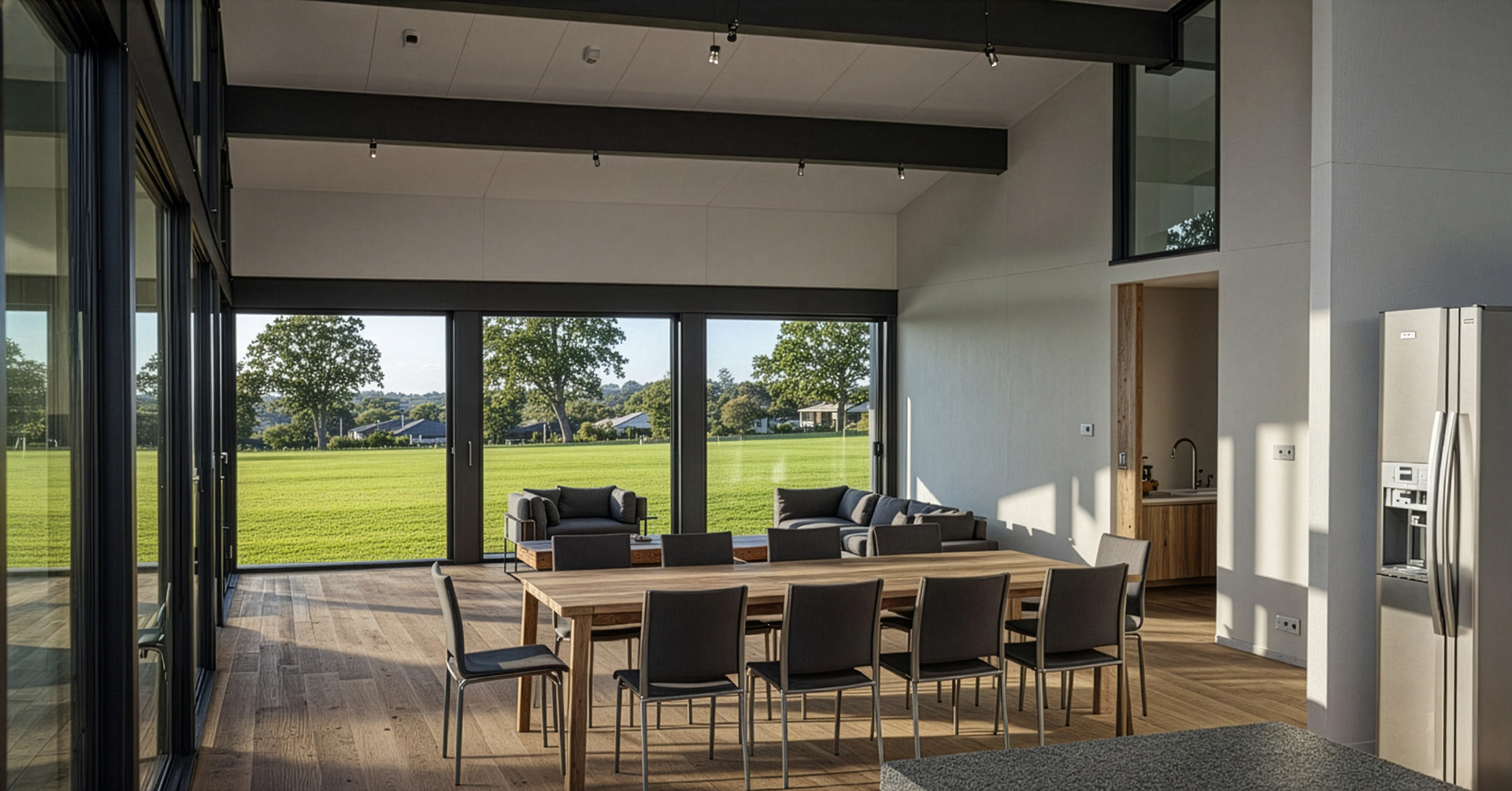
The architectural approach focuses on spatial continuity and environmental responsiveness. Full-height glazing is introduced to dissolve the boundary between interior and exterior, creating a continuous visual connection to the landscape.
The architectural approach focuses on spatial continuity and environmental responsiveness. Full-height glazing is introduced to dissolve the boundary between interior and exterior, creating a continuous visual connection to the landscape.
A deep overhanging roof acts as a passive environmental system reducing solar heat gain while generating shaded semi-outdoor spaces suitable for tropical living. This transitional zone becomes a key spatial element, mediating between enclosed and open conditions.
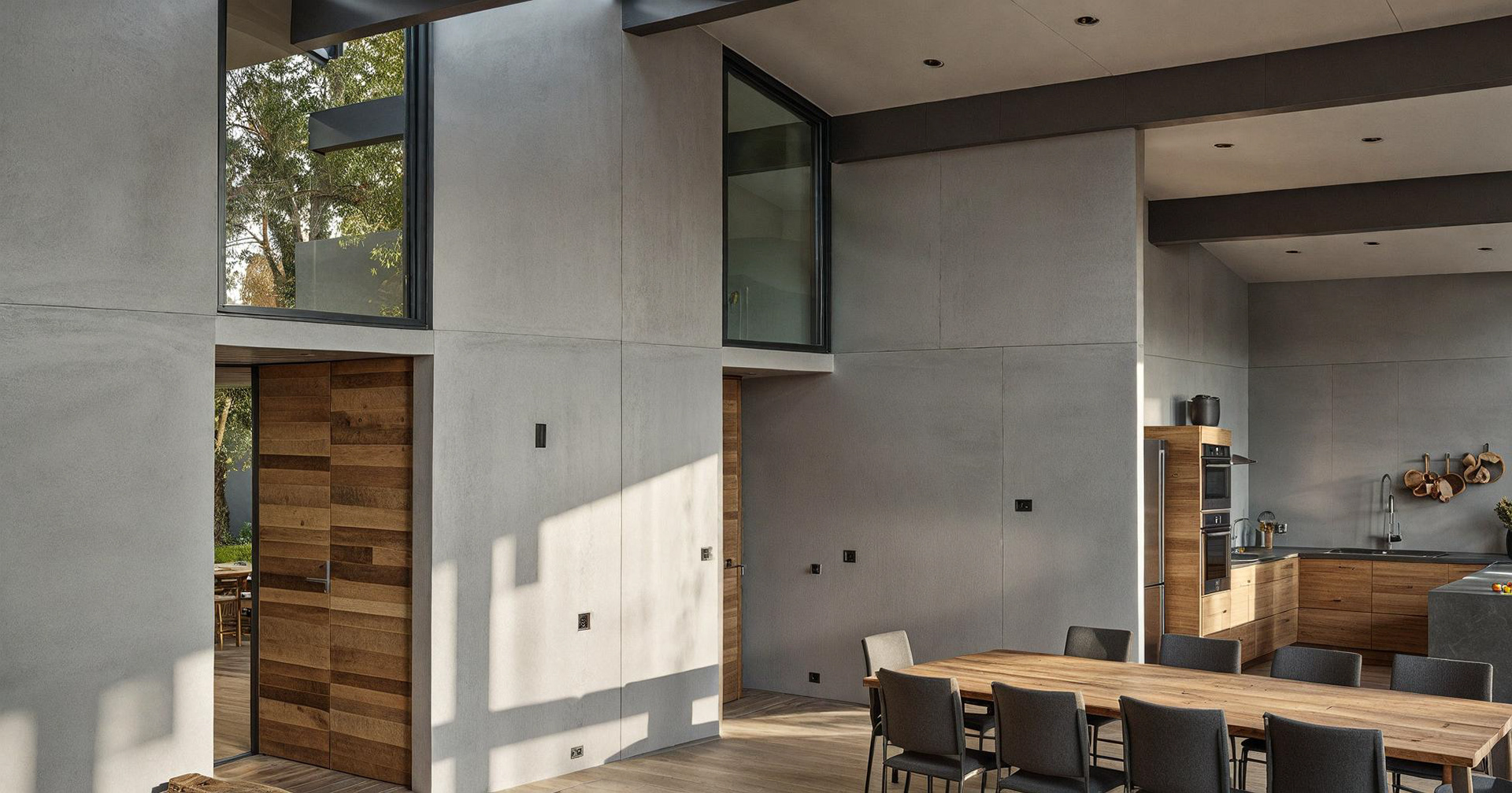
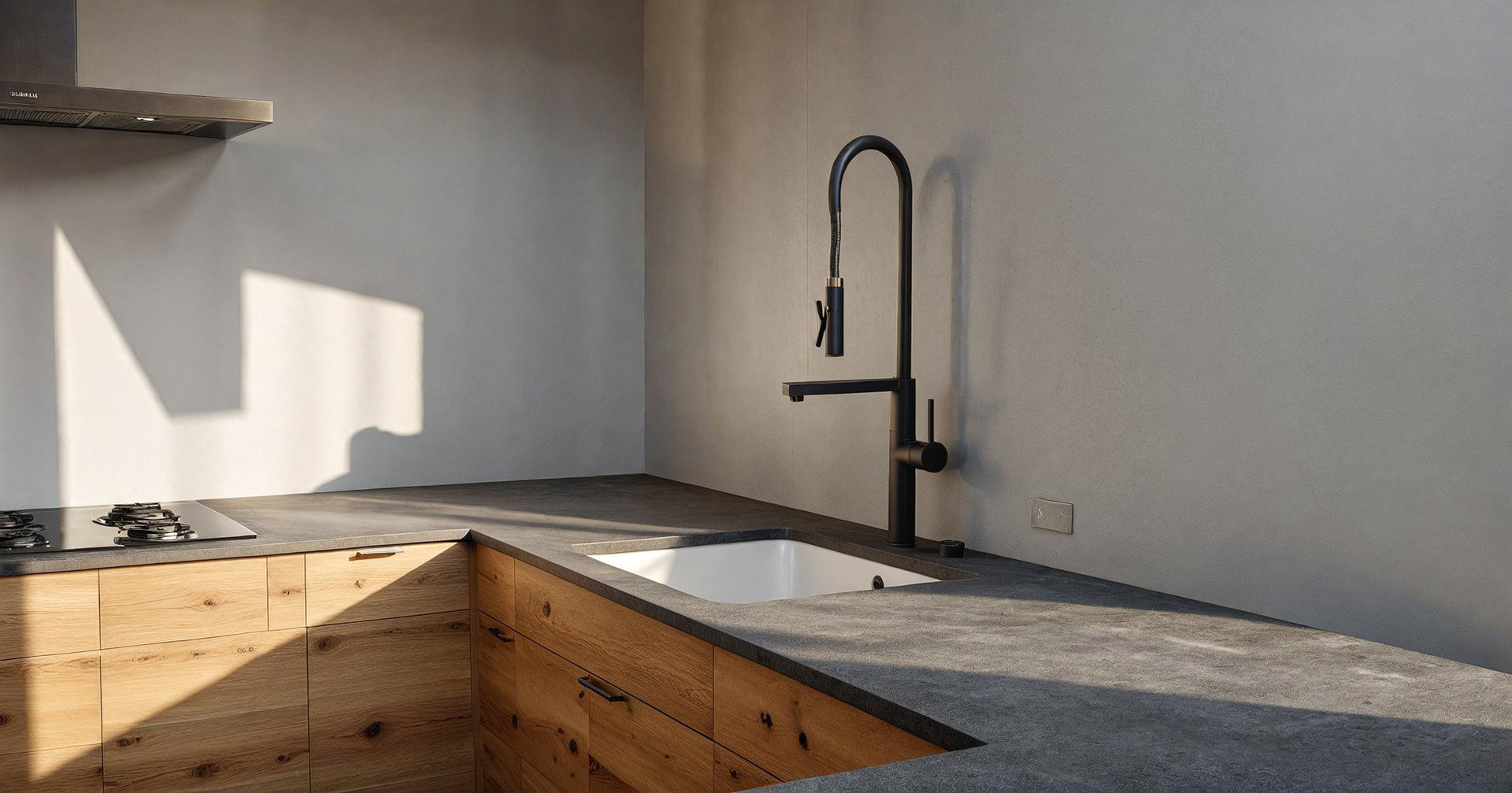
Material selection is intentionally minimal, combining timber, steel, and glass to express structural clarity and lightness. The construction logic emphasizes precision and simplicity, reinforcing the pavilion concept.
Research Framing
The project reflects an investigation into contemporary vernacular reinterpretation, where traditional climate-responsive strategies are reconfigured through modern architectural language.Rather than treating architecture as an isolated object, the design operates as a spatial system negotiating relationships between climate, landscape, and human activity. The open-plan configuration supports adaptability over time, aligning with broader research on flexible living environments and evolving patterns of inhabitation.
The project reflects an investigation into contemporary vernacular reinterpretation, where traditional climate-responsive strategies are reconfigured through modern architectural language.Rather than treating architecture as an isolated object, the design operates as a spatial system negotiating relationships between climate, landscape, and human activity. The open-plan configuration supports adaptability over time, aligning with broader research on flexible living environments and evolving patterns of inhabitation.
Jutha Guesthouse can be understood as a prototype for landscape-integrated living, positioning architecture as a responsive framework rather than a fixed form.
Project Name: jutha guesthouse
Project Year: 2021
Owner: jutha K.
Location: Nakorn Rachasima, THAILAND
Site Area: 250 sq.m.
Design Team: gate houngsaitong & the bartista architects
Landscape consultant: Panyawatt J. & Bunmi Khetnangrong